On the morning of October 18, 2025, the School of Mechanical and Electrical Engineering at Beijing University of Chemical Technology hosted the 2025 symposium titled "Integration of Industry and Education, New Chapter in Mechanical Talent Development" to deepen the industry-education integration mechanism, implement the fundamental task of fostering virtue and nurturing talents, enhance the practical innovation capabilities of graduate students, and serve national strategic and industrial development needs. The symposium was held in the multifunctional hall of the East Campus Conference Center at Beijing University of Chemical Technology, bringing together experts, scholars, and representatives from industry associations, renowned enterprises, universities, and students to discuss the cultivation of high-level talents.
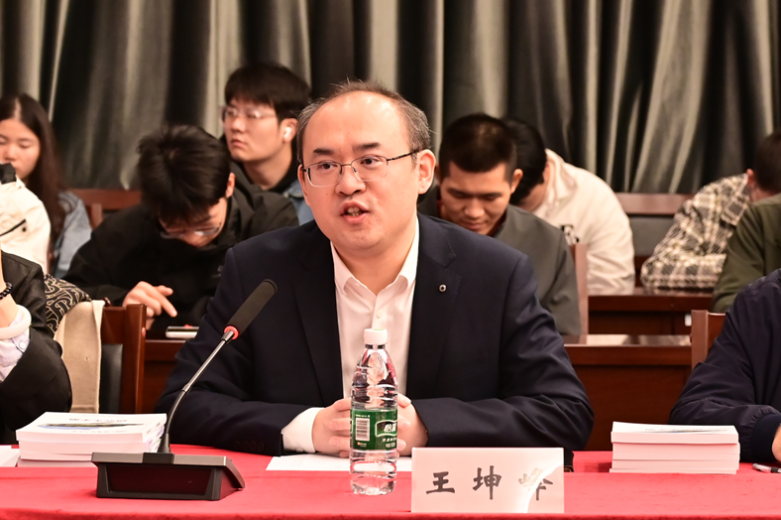
At the opening ceremony, Wang Kunfeng, Vice President of the Graduate School of Beijing University of Chemical Technology, delivered a speech emphasizing that industry-education integration is a critical pathway to promoting high-quality graduate education.
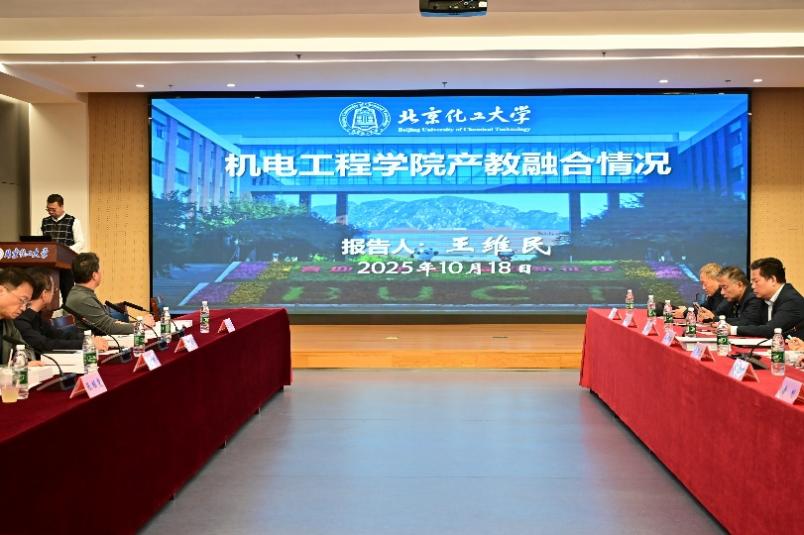
Yu Hongjie, Secretary of the Party Committee of the School of Mechanical and Electrical Engineering, extended a warm welcome to the attending experts and highlighted the school's commitment to deepening reforms in industry-education integration and fostering a new model of industry-academia collaboration in talent development. Wang Weimin, Dean of the School, presented a thematic report titled "Industry-Education Integration in the School of Mechanical and Electrical Engineering," systematically introducing the school's practical achievements and innovative initiatives in this area.
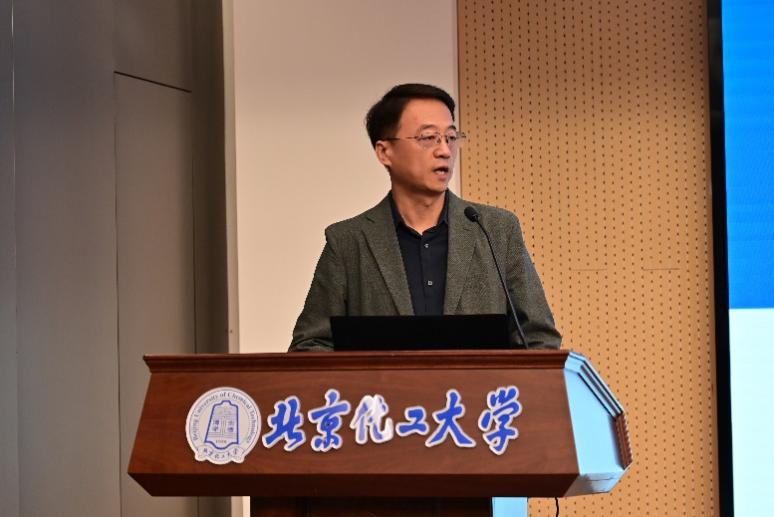
During the thematic report session, Tong Xiang, General Manager of NAURA Vacuum Technology Co., Ltd., delivered a speech titled "University-Enterprise Collaboration, Cultivating the Future," offering suggestions for talent cultivation in higher education from an enterprise perspective.
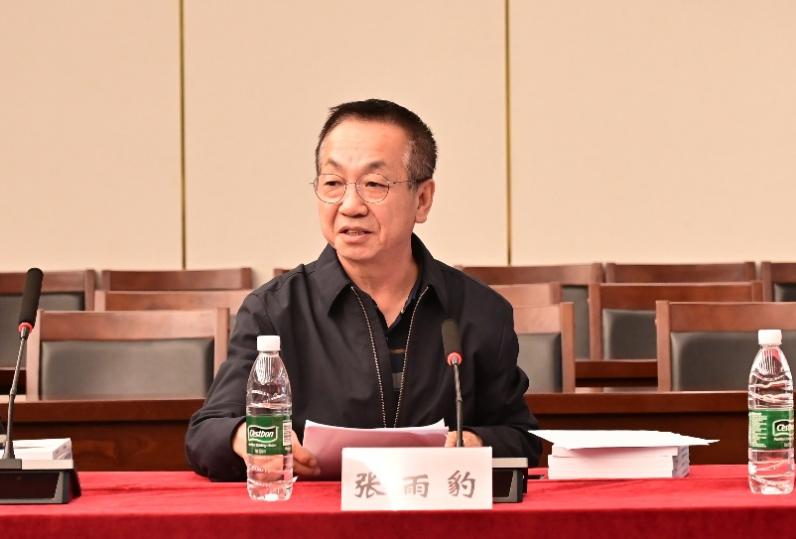
Zhang Yubao, Executive Vice President of the China Petroleum and Petrochemical Equipment Industry Association, elaborated on "Implementing the Strategy of Rejuvenating the Country through Science and Education, Promoting Industry-Education Integration for Industrial Prosperity."
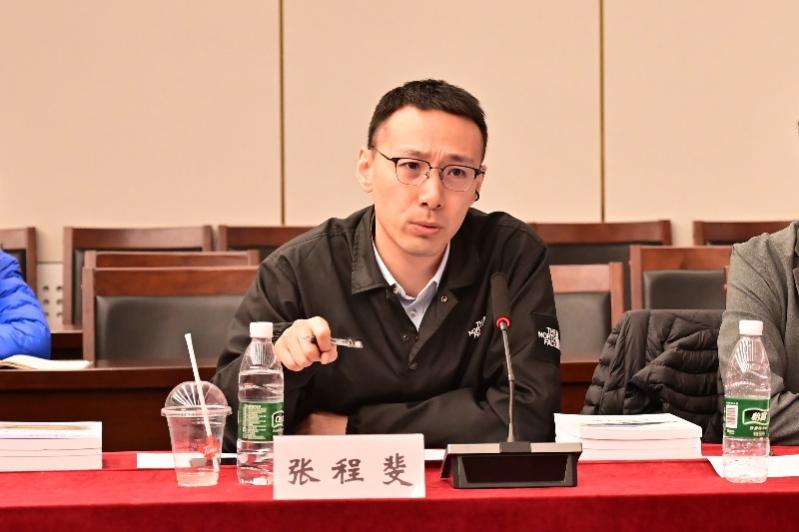
Zhang Chengfei, Director of Haitian International Holdings Limited, addressed the talent supply-demand mismatch in the high-end equipment sector, sharing insights on "Exploring Customized Training Mechanisms for Professional Talents Based on University-Enterprise Collaboration."
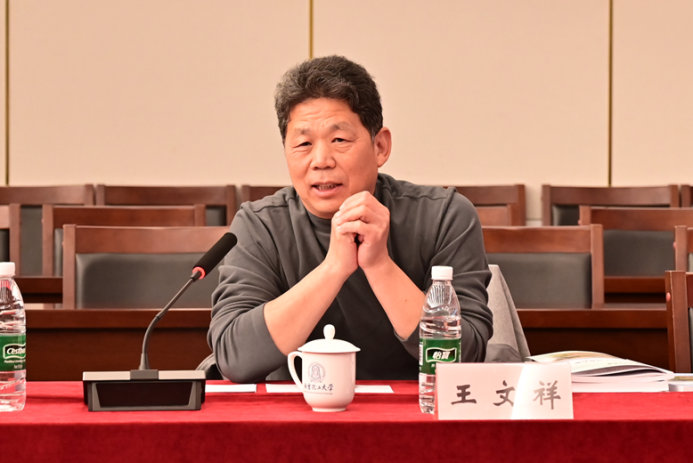
Wang Wenxiang, Chief Engineer of CNOOC Research Institute, shared his personal experiences in mentoring young talents, discussing the practical experiences and effectiveness of the "mentoring and coaching" model.
During the free discussion session, participants engaged in lively exchanges on topics such as enhancing the practical abilities of graduate students, innovating university-enterprise collaboration models, and aligning curriculum systems with industry needs, proposing numerous constructive opinions and suggestions.
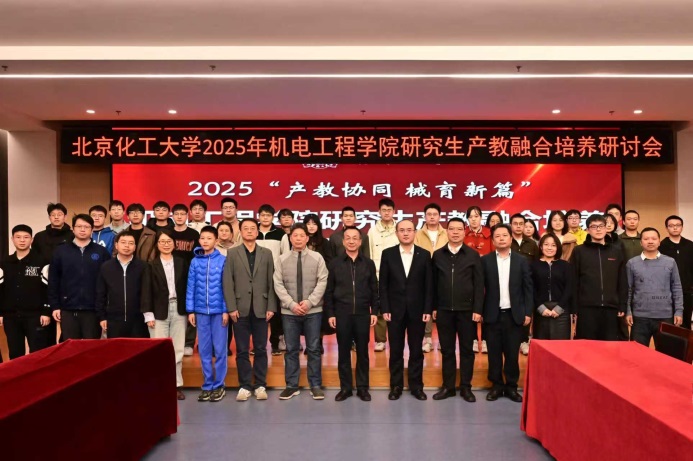
The symposium was hosted by the School of Mechanical and Electrical Engineering at Beijing University of Chemical Technology and co-organized by the National Key Laboratory of High-end Compressor and System Technology. The event not only provided a platform for in-depth dialogue between universities and enterprises but also injected new momentum into reforming the cultivation model for high-level talents in the mechanical and electrical fields and serving the national strategy of building a strong manufacturing country. It is reported that the School of Mechanical and Electrical Engineering will continue to advance institutional and mechanistic innovations in industry-education integration, strengthen strategic collaborations with industry enterprises, and build a more open, collaborative, and efficient graduate cultivation system, contributing to the training of high-quality engineering talents who can adapt to industrial transformations and technological frontiers.